Program Overview:
- Duration: 30 days (live-in)
- Objective: To prepare recruits physically, mentally, and professionally for a Massachusetts Police Academy
- Training Components: Physical fitness, firearms, defensive tactics, drill and ceremony, classroom instruction, scenario-based exercises, leadership, and professional development
Week 1 – Orientation & Foundations
Goal: Introduce recruits to academy culture, basic physical conditioning, discipline, and foundational law enforcement concepts.
Daily Focus:
- Wake-up, accountability, and morning formation
- Physical fitness: Running, calisthenics, functional movement
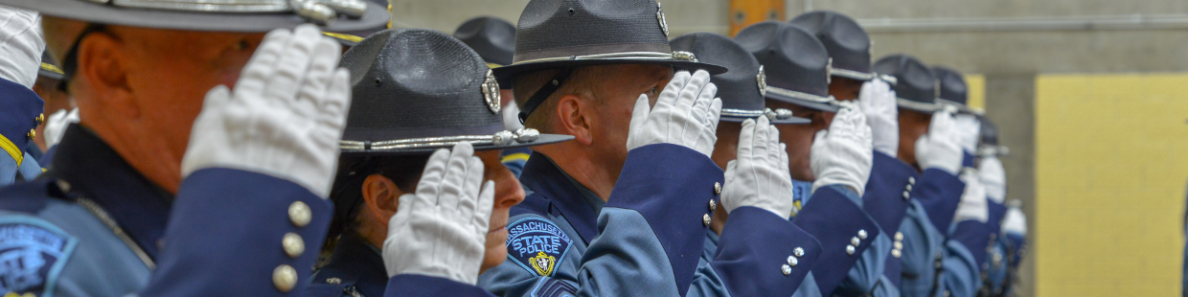
- Drill and ceremony: Basic marching, formations, saluting, standing at attention
- Classroom: Program orientation, code of conduct, professional standards, law enforcement ethics
- Defensive tactics: Introduction to officer safety, stance, grips, and basic hand control techniques
- Scenario-based exercises: Observation, situational awareness, and team exercises
- Evening study hall and inspections
Learning Objectives:
- Understand program rules, expectations, and daily routine
- Develop baseline physical fitness and accountability
- Introduce professional behavior and teamwork
Week 2 – Core Skills Development
Goal: Build foundational skills in physical fitness, defensive tactics, drill, and law enforcement knowledge.
Daily Focus:
- Physical training: Cardiovascular conditioning, strength training, agility drills
- Drill and ceremony: Advanced formations, facing movements, saluting under stress
- Classroom: Massachusetts criminal law basics, constitutional policing, ethics, use of force overview
- Defensive tactics: Control holds, handcuffing, takedown basics, personal safety
- Firearms introduction: Safety rules, handling, dry-fire exercises
- Scenario-based exercises: Low-stress traffic stops, communication drills, team-based problem-solving
- Evening review, study hall, and room inspections
Learning Objectives:
- Improve physical endurance and strength
- Gain competency in basic defensive tactics
- Apply classroom knowledge in controlled scenarios
- Reinforce discipline and attention to detail
Week 3 – Applied Skills & Stress Training
Goal: Integrate skills under moderate stress and prepare recruits for academy-style evaluation.
Daily Focus:
- Physical training: Endurance runs, circuit training, partner exercises
- Drill and ceremony: Full-formation drills, precision marching, inspection preparation
- Classroom: Report writing, communication skills, victim interaction, ethics in action
- Defensive tactics: Ground defense, force options, situational control
- Firearms training: Live-fire familiarization (if approved), stance, grip, and marksmanship fundamentals
- Scenario-based exercises: Controlled stress exercises, role-play domestic calls, field interviews, active communication under pressure
- Evening study hall, scenario debriefs, and inspections
Learning Objectives:
- Apply skills under controlled stress
- Refine teamwork and situational awareness
- Develop practical law enforcement judgment
- Enhance confidence with firearms and control tactics
Week 4 – Integration & Evaluation
Goal: Prepare recruits for academy readiness by testing skills, reinforcing discipline, and finalizing professional development.
Daily Focus:
- Physical training: Peak conditioning, timed runs, fitness assessments
- Drill and ceremony: Academy-level drill evaluations, precision marching, ceremonial procedures
- Classroom: Advanced law enforcement topics, review of legal and ethical responsibilities, exam prep
- Defensive tactics: Scenario-based force application, multi-officer coordination, arrest and control simulations
- Firearms training: Live-fire drills, stress-based shooting exercises, safety evaluations
- Scenario-based exercises: High-stress simulations, traffic stops, domestic calls, team coordination exercises
- Evening: Debriefings, final inspections, personal reflection, graduation preparation
Learning Objectives:
- Demonstrate readiness for Massachusetts Police Academy physical and tactical standards
- Display professional conduct, discipline, and teamwork
- Apply law enforcement knowledge in realistic scenarios
- Complete a final program evaluation covering all skills
Weekly Assessment:
- Physical fitness evaluation (timed runs, calisthenics, strength)
- Drill and ceremony performance evaluation
- Defensive tactics skills check
- Firearms safety and proficiency assessment
- Classroom knowledge quizzes and scenario debrief performance
Program Graduation:
- Successful completion of all physical, tactical, and classroom requirements
- Demonstrated understanding of academy expectations and professional standards
- Certificate of completion for preparatory training (non-MPTC certification)
 Crime Trackers Massachusetts