
Crime Trackers Massachusetts
Public Safety Analysis Report – Boston Shooting Trends (Jan 1 – Mar 8, 2025 vs. 2026)
Prepared by: Crime Trackers Massachusetts
Date: March 2026
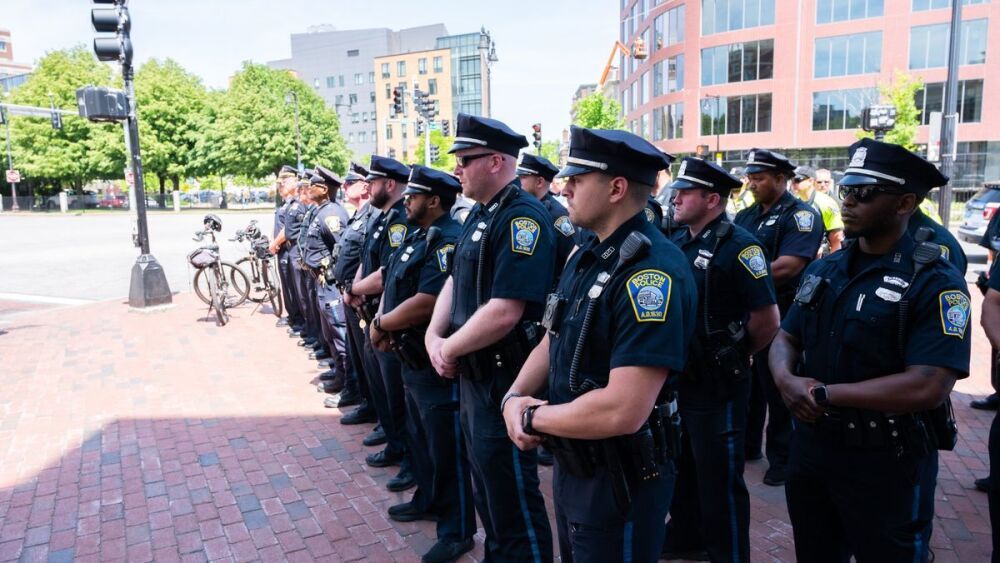
Crime Trackers Massachusetts has reviewed the preliminary shooting data for the City of Boston comparing the period January 1 – March 8, 2025 with January 1 – March 8, 2026. The data indicates a significant decline in both fatal and non-fatal shootings, as well as a decrease in the total number of shooting incidents and victims. While these numbers are preliminary and subject to change, the current trend suggests measurable progress in reducing gun violence across the city.
This report provides an analysis of the observed trends, discusses possible contributing factors, and outlines recommendations to sustain and accelerate the progress made so far in 2026.
1. Overview of Shooting Trends
The most notable development in the 2026 data is the overall reduction in shooting violence. Total shooting victims decreased from 18 in 2025 to 11 in 2026, representing a 39 percent decline. This figure is also 41 percent lower than the five-year average of 19 victims, indicating that 2026 is currently trending significantly below historical norms.
Fatal shootings saw the largest proportional drop. There was only one fatal shooting recorded in 2026 compared to four during the same period in 2025, marking a 75 percent decrease. Fatal shootings are also 75 percent lower than the five-year average, which further highlights the positive trajectory.
Non-fatal shootings also declined. The number dropped from 14 in 2025 to 10 in 2026, representing a 29 percent reduction. Compared to the five-year average of 15 incidents, non-fatal shootings are down 32 percent.
Overall, these numbers indicate that Boston has experienced fewer shootings, fewer victims, and fewer deaths during the first two months of 2026 compared with both last year and the historical average.
2. Shooting Incident Patterns
The incident breakdown provides further insight into the nature of the violence.
Single-Victim Incidents
Single-victim shootings remain the most common type of incident. In 2026, 9 single-victim incidents occurred compared with 14 during the same period in 2025, representing a 36 percent decline. The five-year average for this category is 14.2 incidents, meaning 2026 is approximately 37 percent below historical norms.
This suggests that the decline in overall shootings is largely driven by fewer isolated gun violence incidents.
Multiple-Victim Incidents
Multiple-victim shootings remain relatively rare but are important indicators of potentially escalating violence.
– Double shootings decreased from 2 in 2025 to 1 in 2026, a 50 percent decline.
– There were no triple or larger shooting incidents recorded in either year during this time period.
The absence of larger mass shooting incidents is a positive indicator that widespread or retaliatory gun violence events have remained limited during early 2026.
Overall Incident Reduction
Total shooting incidents dropped from 16 in 2025 to 10 in 2026, a 38 percent decrease. Compared to the five-year average of 16.2 incidents, 2026 is also 38 percent lower.
This suggests that the decline in victims is not simply the result of fewer injuries per incident, but rather a true reduction in the number of shooting events occurring across the city.
3. Possible Contributing Factors
While the data alone cannot identify direct causes, several factors may be contributing to the decline in shooting violence.
Targeted Policing and Violence Prevention
Boston has continued to implement focused deterrence strategies, which prioritize intervention with individuals and groups most at risk of involvement in gun violence. Targeted policing combined with social service outreach has historically been associated with reductions in shootings in major cities.
Community Engagement
Community organizations across Boston have played a key role in violence prevention efforts. Outreach workers, youth programs, and neighborhood intervention initiatives can disrupt cycles of retaliation and connect high-risk individuals with support resources.
Strategic Data Monitoring
Regular monitoring of crime data allows law enforcement and city officials to deploy resources to emerging hotspots quickly. The use of intelligence-led policing and real-time crime analysis may be helping prevent escalation in certain areas.
Weather and Seasonal Effects
The early months of the year traditionally see lower rates of violent crime due to colder weather and reduced outdoor activity. While this seasonal factor does not fully explain the reduction, it likely contributes to the lower baseline observed in the data.
Regional and National Trends
Many cities across the United States have seen declines in violent crime and homicides since 2023–2024 peaks. Boston’s reduction may reflect broader national trends in declining gun violence.
4. Areas of Continued Concern
Despite the positive trend, several concerns remain.
Persistence of Gun Violence
Even with the reduction, 11 people were still shot in the first two months of 2026. Each incident represents a significant impact on victims, families, and communities.
Potential for Seasonal Increases
Historically, shootings increase during the spring and summer months when outdoor activity rises. Maintaining the early-year decline will require proactive strategies as the city approaches warmer seasons.
Data Limitations
The data reviewed in this report is preliminary and manually updated. There may be additional incidents not yet reflected in the figures due to reporting delays.
5. Recommendations
Crime Trackers Massachusetts recommends several strategies to maintain and strengthen the progress seen so far in 2026.
Expand Focused Deterrence Programs
Boston should continue expanding programs that identify individuals at the highest risk of involvement in gun violence. Combining law enforcement attention with social services can reduce repeat violence.
Strengthen Youth Intervention Initiatives
Early intervention is essential. Programs targeting youth employment, mentorship, and after-school engagement can reduce the likelihood that young people become involved in violent crime.
Increase Community-Based Violence Interruption
Community violence interrupters can mediate disputes before they escalate into shootings. Expanding funding for these programs may help prevent retaliatory violence.
Invest in Real-Time Crime Analysis
Continued investment in crime analysis tools can allow authorities to identify patterns and deploy officers or outreach workers to areas experiencing emerging risk.
Improve Data Transparency
Regular public reporting of shooting statistics can improve accountability and help communities stay informed about trends and progress.
Address Root Causes of Violence
Long-term reductions in gun violence require attention to underlying factors such as economic opportunity, housing stability, education access, and mental health services.
6. Conclusion
The early 2026 shooting data for Boston shows encouraging signs of progress, with substantial reductions in fatal shootings, non-fatal shootings, total victims, and total incidents compared to both 2025 and the five-year average.
While these results are promising, it is essential that city leaders, law enforcement agencies, and community organizations continue working collaboratively to sustain these improvements. Gun violence prevention requires a balanced approach that combines enforcement, prevention, community engagement, and social investment.
Crime Trackers Massachusetts will continue monitoring these trends and providing analysis as new data becomes available. Maintaining transparency and proactive strategies will be critical to ensuring that Boston continues moving toward safer communities for all residents.
 Crime Trackers Massachusetts